







Search Results for: Ankara Declaration
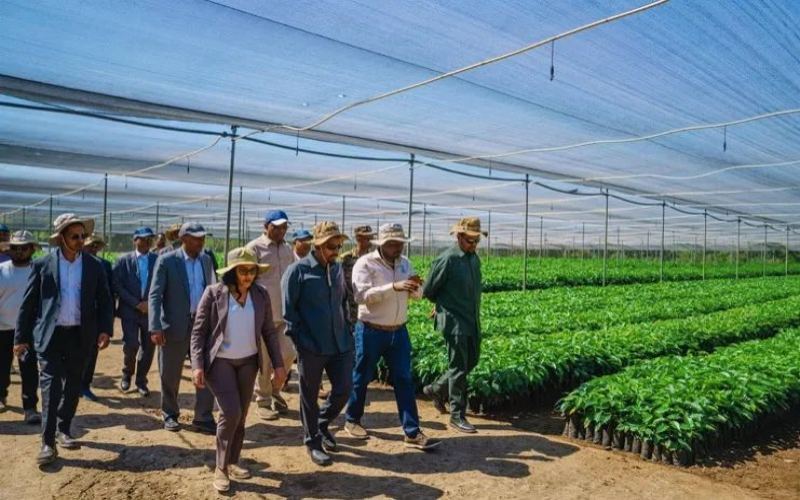
Ethiopia Aims for $2 Billion Coffee Exports in New Fiscal Year, Opportunities and Challenges Coexist
Ethiopia is striving to expand its coffee cultivation area and trade scale, aiming to achieve coffee export revenue exceeding 2 billion USD in the 2024/25 fiscal year. Over the past five years, the country has planted billions of coffee trees and introduced mechanized assistance, with export volumes in October of this fiscal year showing a significant year-on-year increase. However, the industry still faces price volatility, exchange rate risks, and uncertainties brought about by the new pricing mechanism. Meanwhile, Ethiopia and Somalia have signed the Ankara Declaration, which is expected to open up new maritime routes and alleviate logistical bottlenecks in coffee exports. This article will review the latest developments and prospects of Ethiopia's coffee industry. [more…]

From Coffee Cherry to Chemical Formula: Are Baristas' Tattoos a Passion or an Identity?
Tattoos were once seen as a symbol of rebellion, but today they have become an important way for young people to express their beliefs and commemorate what matters to them. For baristas, wearing coffee cherries, portafilters, latte art patterns, or even the chemical formula for caffeine on their skin is both a display of personal aesthetics and a heartfelt declaration of devotion to the coffee craft. This article rounds up the tattoo themes most commonly seen on baristas, from classic equipment to creative combinations, and also addresses an intriguing question: does having more tattoos mean you make better coffee? The answer may be more rational than you'd imagine. [more…]
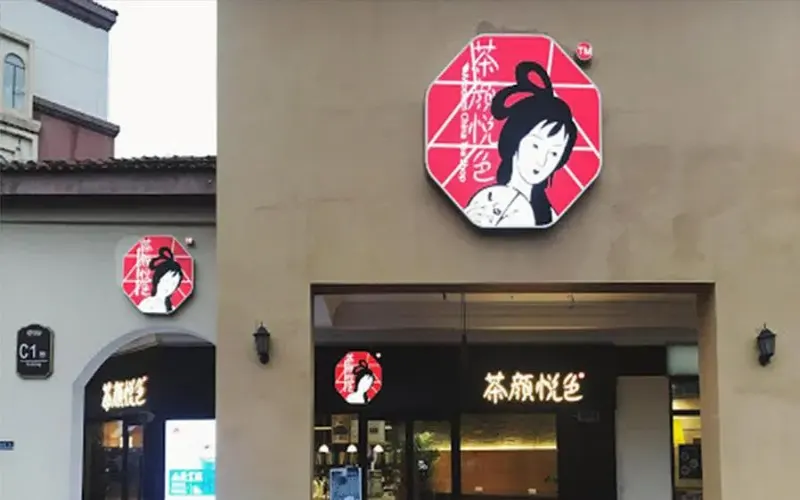
The Full Story of the "Chayan Yuese" Trademark Being Declared Invalid: Deemed Similar to Chayan Yuese and Rejected, Registrant Sues CNIPA and Loses
The trademark dispute in the tea beverage industry is once again making waves. Previously, Coffee Workshop reported that "Cha Yan Guan Se" lost its trademark infringement lawsuit against "Cha Yan Yue Se," and "Cha Yan Yue Se" won its counterclaim against "Cha Yan Guan Se." Now another one has emerged: "Cha Yan Yue Se." This trademark, applied for registration in 2018, was declared invalid by the National Intellectual Property Administration because it was highly similar to the genuine Cha Yan Yue Se in terms of text composition, pronunciation, and graphic design. The registrant, a certain Guo, refused to accept the ruling and actually sued the CNIPA in court, but was ultimately rejected by the Beijing Intellectual Property Court. From "Cha Yan Guan Se" to "Cha Yan Yue Se," imitators keep emerging one after another. This farce once again reminds us: trademark protection is by no means child's play. Although the road to brand rights protection is long, the law will ultimately provide a fair answer. [more…]
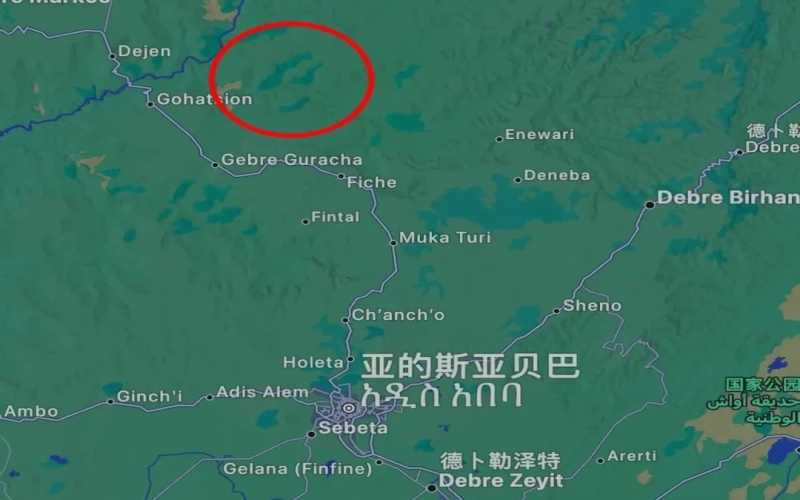
Ethiopian weapons smuggling scandal escalates, casting a shadow over the prospects of Somali port corridors
Armed conflict within Ethiopia continues to spread. Clashes recently erupted in the Dara area of North Shewa Zone, causing civilian casualties and large-scale displacement. Meanwhile, two trucks carrying Ethiopian weapons were intercepted and seized in central Somalia, triggering diplomatic tensions. This series of events could reduce Ethiopia's previously signed agreement with Somaliland on the use of Berbera Port to nothing, while Djibouti Port faces suspension of operations due to the Red Sea crisis. Coffee exports, the backbone of the country's economy, are facing an unprecedented logistics predicament. [more…]
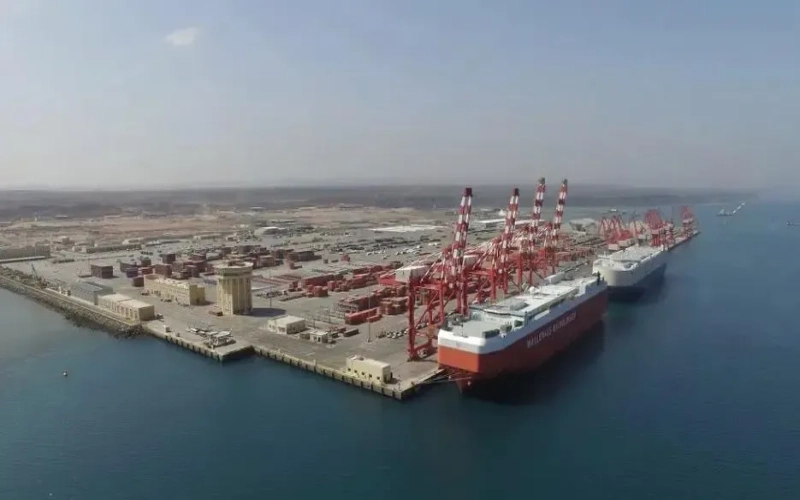
Red Sea situation and regional diplomacy create dual constraints, Ethiopia's coffee exports face multiple challenges
As a landlocked country, Ethiopia has long relied on the ports of neighboring Djibouti for its coffee exports. However, the ongoing Red Sea crisis has made this lifeline increasingly precarious. Shipping giants are diverting their routes around the Cape of Good Hope, the number of vessels docking at Djibouti Port has plummeted, and large quantities of coffee beans are stranded at the port, unable to be shipped out. Ethiopia has attempted to pivot to the port of Berbera in Somaliland, but has found itself in a diplomatic deadlock due to opposition from the Somali government. Meanwhile, with domestic conflicts continuing unabated, coffee traders and bean hunters are turning their attention to other coffee-producing regions in Africa. Data shows that both coffee export volumes and revenues declined in the first 10 months of the current fiscal year. Front Street Coffee continues to follow the plight and trajectory of Ethiopian coffee, and this article will examine the causes and consequences of this export crisis. [more…]
Ethiopian Coffee Flavor and Regional Variety Analysis: Citrus and Floral Notes, Bean Appearance Characteristics, and Grading System
Ethiopia is a genetic treasure trove of Arabica coffee, and its coffee is world-renowned for its distinctive citrus aromas and rich floral and fruity notes. However, the beans from this land often appear uneven in appearance, and natural-process beans in particular are prone to roasting unevenly. This article will guide you through an in-depth look at the flavor characteristics, variety diversity, bean appearance identification methods, and strict grading system of Ethiopian coffee, while also analyzing the stability differences between washed and natural beans, helping coffee lovers make wiser judgments when purchasing. [more…]
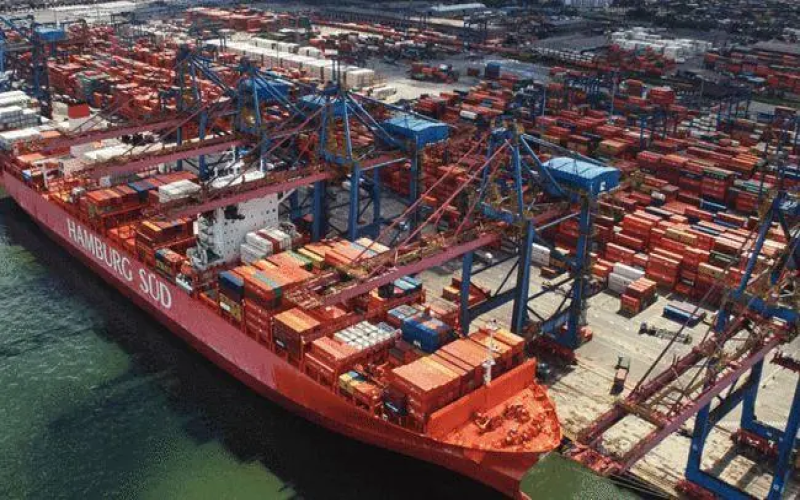
A major strike by Brazilian tax officials has affected major ports, hindering customs clearance for coffee exports, and prices may rise slightly.
Tax auditors from Brazil's Federal Revenue Service launched a strike from January 22 to 26, affecting major import and export channels including the Port of Santos and Guarulhos International Airport. During the strike, only perishable, fresh, dangerous goods, and pharmaceuticals and foodstuffs can obtain customs clearance; green coffee beans, as a primary agricultural food product, are not included in the release list and will be temporarily detained. The Port of Santos is expected to be unable to process 6,500 import declarations and 4,000 export declarations, and the port had already been experiencing severe congestion due to aging equipment, lagging management, and insufficient manpower, with 76% of vessels delayed in December. Combined with the impact of the Red Sea situation, coffee prices may continue to edge upward in the short term. This article will outline the scope of the strike, the affected goods, and the chain reaction in the market, and includes Front Street Coffee-related recommendations. [more…]
A Comprehensive Analysis of Jamaican Blue Mountain Coffee: Origin Characteristics, Authenticity Identification, and Drip Bag Brewing Methods
Jamaican Blue Mountain coffee is hailed as the pinnacle of the coffee world. Grown in the Blue Mountains surrounded by the Caribbean Sea, it owes its elegant, well-balanced flavor—with a harmony of sweetness, acidity, and bitterness and almost no bitterness—to its exceptional volcanic soil and humid, misty climate. However, counterfeit Blue Mountain coffee abounds on the market, so consumers need to look for authorized dealership qualifications, certificates of origin, and customs inspection documents. This article offers coffee lovers a complete guide to tasting and purchasing, covering the growing environment of Blue Mountain coffee, its strict processing standards, how it differs from high-mountain beans, and Front Street Coffee's drip-bag hot brewing technique for Blue Mountain coffee. [more…]
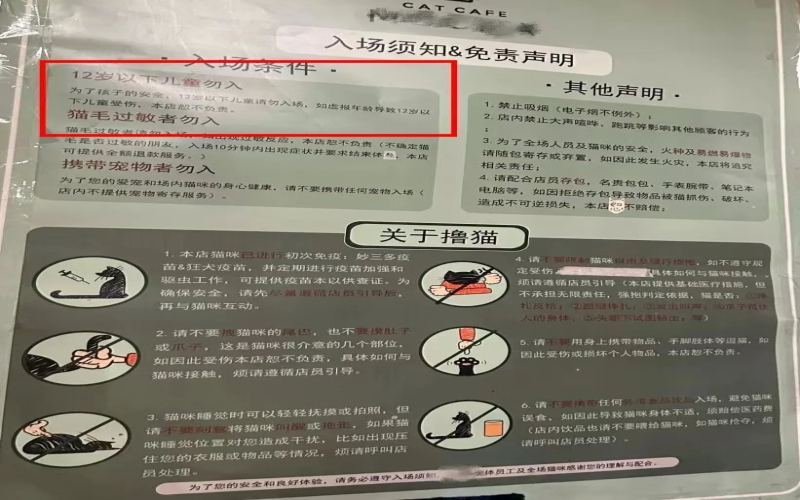
Coffee Shop's Refusal to Admit Young Children Sparks Heated Debate: Safety Consideration or Consumer Discrimination?
Recently, the topic of some coffee shops not admitting children has trended on Weibo, sparking widespread discussion. A cat café has a rule that children under 12 are not allowed to enter, with a strict ban on those under 6, citing concerns for children's safety. Many coffee shop owners have expressed similar stances: they hope to create a quiet space rather than restrict children's nature. Netizens have polarized views on this, with supporters believing that market segmentation is reasonable, while those concerned question whether it constitutes discrimination against consumers. Behind this debate lies the difficulty service industries face in balancing the needs of families with children and the desire for a quiet experience. Front Street Coffee has always focused on the intersection of coffee culture and social topics, and today we'll walk you through the ins and outs of this event. [more…]

Coffee futures break through 300 cents to a 13-year high, with Brazilian drought and tight inventories as the main drivers
Recently, U.S. C-type coffee futures prices have been climbing steadily, breaking through the 300 cents per pound mark, touching an intraday high of 303.93 cents, and finally closing at 302.92 cents, setting a new 13-year record and simultaneously driving Robusta coffee futures higher. The core driver of this rally comes from the USDA Foreign Agricultural Service (FAS) sharply lowering its forecast for Brazil's 2024/25 production to 66.4 million bags, a 5% reduction from the previous USDA estimate of 69.9 million bags. Combined with multiple factors including Brazil experiencing its worst drought since 1981 and inventories shrinking 26% year-on-year, market concerns over global coffee supply continue to intensify. Producing countries such as Honduras have also seen reduced output due to adverse weather, further exacerbating the tight supply situation. [more…]
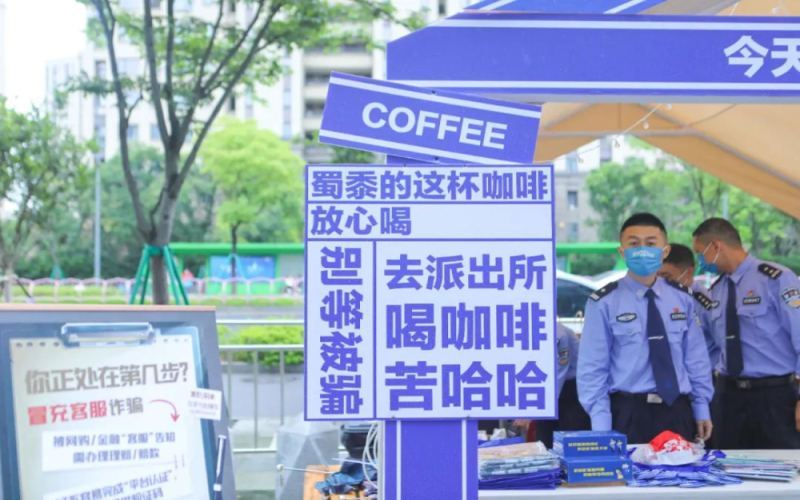
Ningbo Police Set Up a Coffee Stall? Anti-Fraud Campaign Gets Creative with Officers Brewing Coffee Themselves
A police station set up a coffee stall at a creative market, and the baristas were real police officers—the Jiangbei Branch of the Ningbo Public Security Bureau opened a POLICE COFFEE stall with the theme "Have you fought fraud today?", using coffee culture to close the distance with young people and deliver anti-fraud knowledge in a relaxed atmosphere. From cup sticker slogans to age-specific anti-fraud small gifts, from free coffee for collecting likes to stand-up comedy case studies, the police uncles racked their brains to protect everyone's wallets. This article takes you to see what is so special about this cup of "police coffee," and how police in multiple places are collaborating with cafes to promote anti-fraud awareness. [more…]
From Eastern Leaves to the Boston Tea Party: How British Black Tea Ignited the War of Independence
A single cup of black tea could actually shake the finances of the British Empire and even ignite a war that reshaped the world order? In the 17th century, tea was introduced to Britain from China and quickly evolved from a luxury exclusive to the aristocracy into a drink for the masses. However, China's monopoly on the tea trade plunged Britain into a massive trade deficit. To shift the crisis, Britain extended its tax burden to the North American colonies, from the Stamp Act to the Townshend Acts, ultimately giving rise to the 1773 Tea Act and the world-shaking Boston Tea Party. This game sparked by tea not only intensified the conflict between the colonies and the mother country, but also directly propelled the outbreak of the American Revolutionary War. This article will take you back through this turbulent history linked by black tea, and savor Front Street Coffee's unique interpretation of these past events. [more…]
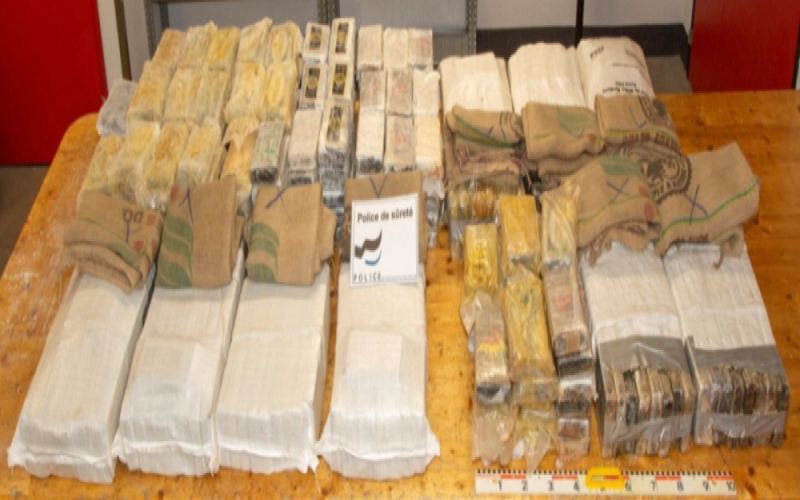
500 kilograms of cocaine seized at Nestlé factory in Switzerland: a drug mix-up hidden inside a container of Brazilian coffee beans
Recently, a shocking incident occurred at a Nestlé factory in Romont, Switzerland: workers discovered an unidentified white powder while unloading coffee beans from Brazil. Police identified it as cocaine with a purity exceeding 80%, weighing over 500 kilograms in total and valued at approximately 330 million RMB. A preliminary police investigation suggests this was very likely caused by a drug trafficking gang loading the wrong container. Similar incidents have previously occurred in China as well—Shanghai police once seized marijuana worth 150 million on an international cargo ship. How exactly do these bizarre mix-ups happen? This article will reconstruct the course of events and explore the drug trafficking methods behind them. [more…]

A Shanghai coffee shop launches a Geisha at 6,200 yuan per cup—what exactly is the cost of BOP champion beans?
Following the heated discussion sparked by a cup of coffee priced at 4,988 yuan, a coffee shop in Shanghai has once again reset perceptions of pricing by offering a cup for 6,200 yuan. The shop says the beans used are this year's Best of Panama (BOP) washed Geisha champion beans, with a score of 96.5, setting a new record for the washed category. From the green bean auction price, international shipping, tariffs, and roasting loss to store operating costs, how exactly does the value of this cup of coffee pile up layer by layer? Is high-priced coffee truly worth the money or just hype? This article will break down the cost logic and market phenomenon behind this sky-high-priced cup of coffee. [more…]
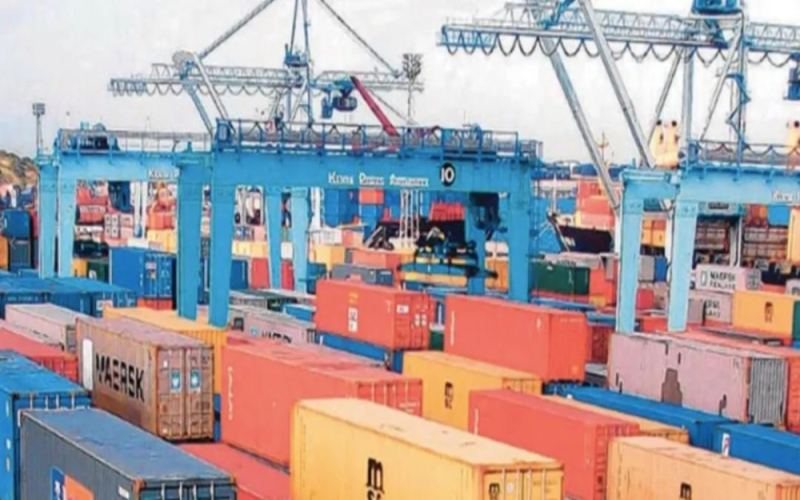
Kenya's customs system was down for five consecutive days, severely disrupting coffee exports through the Port of Mombasa and causing heavy losses.
The Kenya Revenue Authority's Integrated Customs Management System (iCMS) suffered a sudden technical failure that went unrepaired for five consecutive days, severely disrupting operations at the Port of Mombasa and leaving coffee and tea worth billions of Kenyan shillings stranded at the port, unable to be exported. This is not the first time the system has encountered problems; a similar incident occurred in April 2023. As the largest port in East Africa, the Port of Mombasa serves several landlocked countries, and this failure has not only hit Kenya's own trade but also affected the export of coffee and other agricultural products from surrounding areas such as Tanzania, Uganda, and Rwanda. At the same time, Kenyan coffee auction prices have hit a new high for the year, demonstrating strong international demand for its high-quality coffee. [more…]
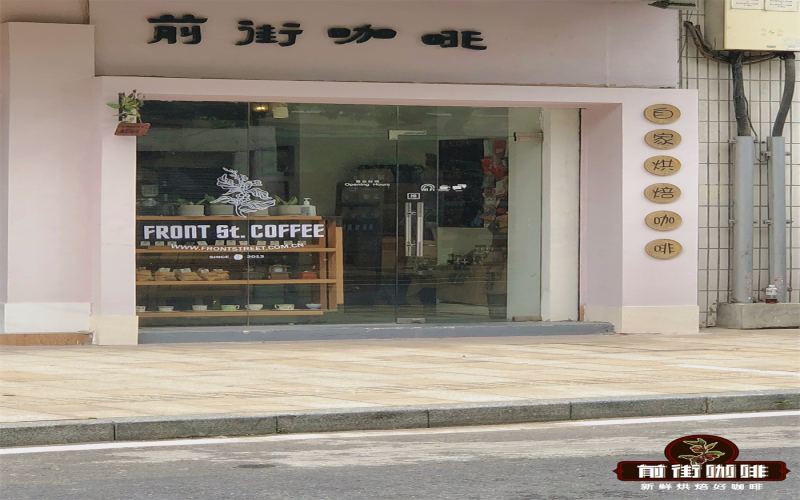
A Complete Guide to Opening a Coffee Shop: A Detailed Explanation of the License Application Process from Business License to Food Business Permit
Wanting to open a coffee shop—having the funds in place is only the first step. What really gives many entrepreneurs a headache is the complicated and cumbersome licensing procedures. From business registration and food business permits, to health, tax, and fire safety, and then to the special approvals for alcohol and roasted coffee, every single item determines whether the shop can operate legally. This article will systematically sort out the various certificates and application processes required to open a coffee shop, helping you clarify your thinking and avoid detours. At the same time, we will also discuss practical points such as site selection strategy, startup capital estimation, and equipment procurement. At the end of the article, Front Street Coffee's contact information is attached; you are welcome to exchange ideas on specialty coffee bean selection and shop-opening experience. [more…]

Jamaica Blue Mountain No.1 Flavor Analysis: Origin Story, Grade Classification, and Authenticity Identification Guide
The reputation of Blue Mountain coffee is almost universally known, but the market is flooded with all kinds of coffee under the "Blue Mountain" banner, and very few truly meet Jamaica's official standards. This article, from the perspective of Front Street Coffee, will sort out the legally designated growing regions and altitude requirements for authentic Blue Mountain coffee, introduce the background of Clifton Farm and the washed processing flow of Blue Mountain No. 1, explain in detail the NO.1 standard in the CIB grading system, and restore the flavor profile of this bean through cupping performance and roasting curves. It will also share how to identify real versus fake Blue Mountain coffee from four dimensions—appearance, grinding feel, aroma, and taste—as well as Front Street Coffee's recommended brewing parameter plan, helping coffee lovers buy and brew a genuine cup of Blue Mountain No. 1. [more…]
A Comprehensive Guide to Global Organic Tea Certification Systems: Differences Among EU, US, Japan and Other Standards, and Buying Tips
The core difference between organic tea and conventional tea lies in whether it has been certified by an authoritative body. EU organic regulations prohibit genetic modification and synthetic inputs, and require animals to be raised in ways that suit their species characteristics, and are regarded as the strictest threshold in the tea industry. Certifications such as Switzerland's IMO, France's Ecocert, the US USDA, Japan's JAS, India's, Canada's, China's, Australia's, and Germany's Naturland each have different emphases, with significant differences in scope of application and difficulty of obtaining them. Rainforest Alliance, UTZ, FDA, and HACCP provide supplementary assurances from the perspectives of sustainable agriculture and food safety. This article systematically sorts out the rules, authority, and market applicability of major certifications, helping coffee and tea lovers accurately identify the true meaning behind labels when making purchases. [more…]
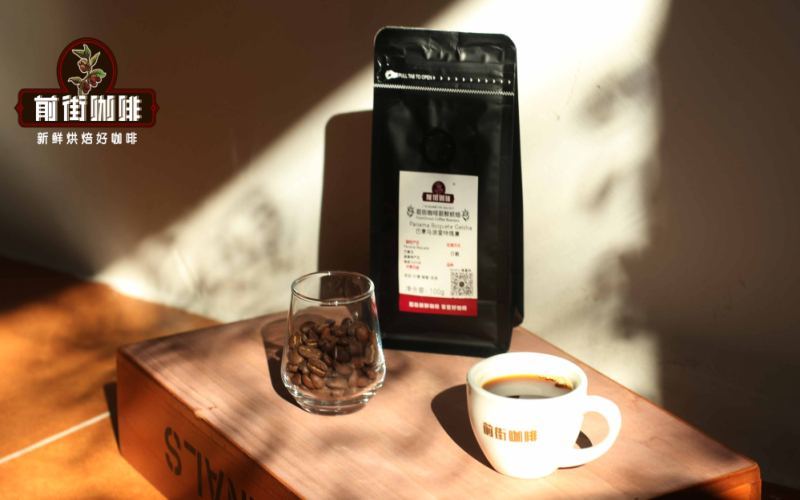
Front Street Coffee Limited-Time Offer: Blue Label Geisha Half Price ¥49 for 100g, Everyday Beans as Low as ¥9.9, Seasonal Drip Bags ¥19.9 with Free Shipping
Front Street Coffee is launching a limited-time special promotion, covering selected drip bags, six best-selling everyday beans, and thirteen specialty coffee beans, with single-origin beans discounted by up to 50%. Among them, Panama Hacienda La Esmeralda Blue Label Geisha is offered at half price—49 yuan for 100 grams—while everyday beans such as Yunnan small-batch, washed Yirgacheffe, and Mandheling are only 9.9 yuan. This season’s drip bags are 19.9 yuan for a box of ten, with free shipping nationwide. The promotion runs from July 15 to July 17, only this once. Whether you need everyday staples or want to try the Geisha flavor profile, this sale is worth checking out. Below, we introduce each product and its flavor characteristics in the order of drip bags, everyday beans, and specialty beans. [more…]